Get Conduit Installation
Conduit installation services help property owners manage electrical wiring, communication lines, or utility cables for renovations, new constructions, or upgrades.
Property owners exploring conduit installation services often consider this work as part of broader electrical or infrastructure upgrades. Whether it's improving safety, enhancing functionality, or preparing for future technology needs, installing conduits can be a practical step in maintaining and upgrading a property's systems. By reviewing local contractors, property owners can find experienced service providers who understand the specific requirements of their area and can offer tailored solutions for their project.
As property owners compare options among local contractors, it’s helpful to evaluate the range of services offered and the expertise available in the community. Connecting with experienced professionals can ensure that conduit installation is completed efficiently and to the appropriate standards. Continuing to explore local service providers can assist in making informed decisions about planning projects and selecting the right partner for the job.
- Conduit Installation - when upgrading or expanding electrical systems in residential or commercial properties.
- New Construction Projects - during the initial wiring phase of new buildings requiring conduit setup.
- Electrical System Renovations - when replacing outdated wiring or re-routing electrical pathways.
- Commercial Electrical Work - for businesses installing or upgrading conduit to support new equipment.
- Emergency Repairs - when fixing or replacing damaged conduit to ensure electrical safety and compliance.
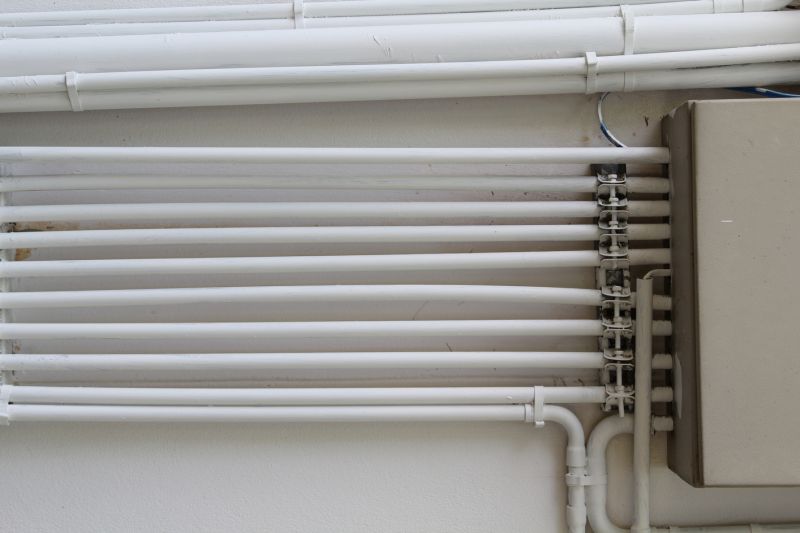
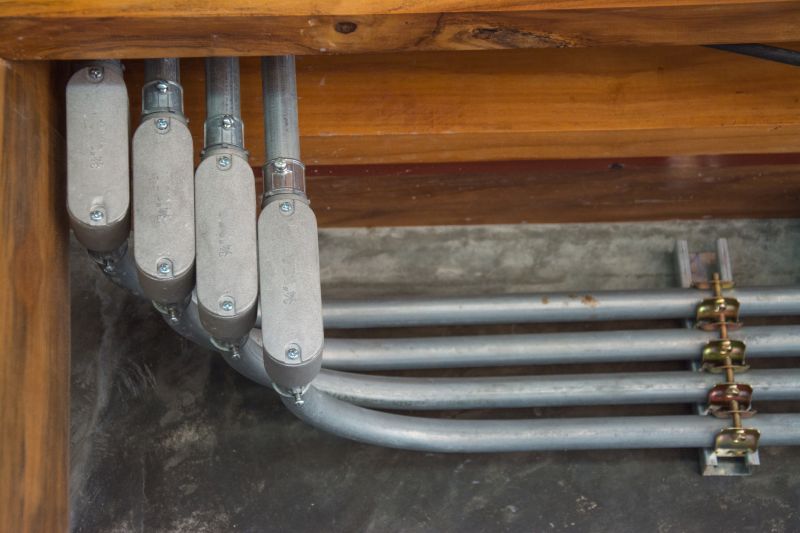
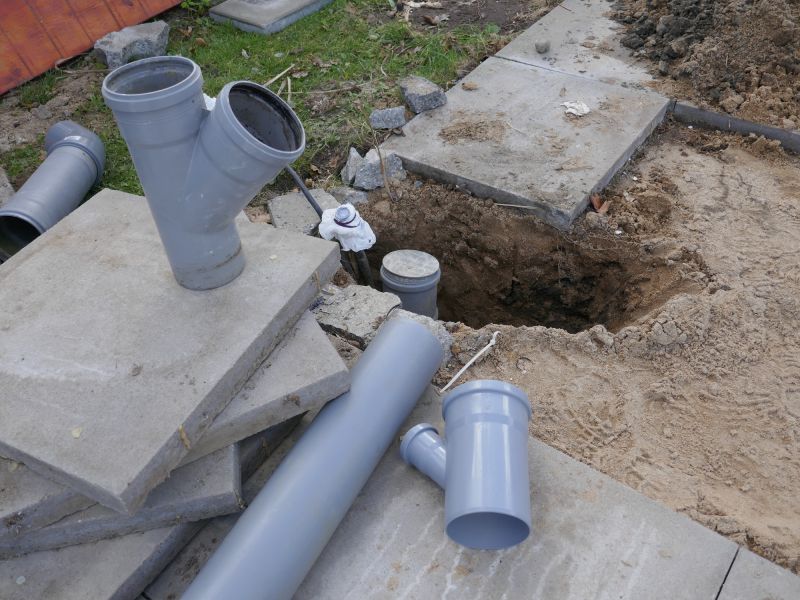
Conduit installation services involve setting up the necessary piping system that connects a property’s plumbing, electrical, or other utility systems to the main supply lines. This process typically includes planning the layout, selecting appropriate conduit materials, and securely installing the piping throughout the property’s walls, ceilings, or underground areas. Proper conduit installation ensures that utility lines are protected from damage and environmental factors, providing a safe and organized way to deliver essential services within a property.
This service is often needed when properties require new utility connections, upgrades to existing systems, or repairs following damage or deterioration. Conduit installation can help resolve issues such as exposed or damaged wiring, inefficient plumbing routes, or outdated piping that no longer meets safety standards. By installing or replacing conduit, homeowners can improve the safety, reliability, and longevity of their utility systems, reducing the risk of leaks, electrical shorts, or other hazards.
Properties that typically utilize conduit installation services include residential homes, multi-family dwellings, commercial buildings, and industrial facilities. New construction projects often require conduit setup as part of the initial build, while existing properties may need upgrades or repairs to accommodate modern appliances or to meet updated codes. Whether it’s a single-family house or a large commercial complex, local contractors can provide tailored conduit installation solutions to meet the specific needs of each property type.
Homeowners might consider conduit installation services if they notice issues like frequent electrical outages, leaking pipes, or signs of corrosion on existing piping. It is also a practical choice when planning major renovations or expansions that involve rerouting utility lines. Contacting experienced service providers can help ensure that conduit systems are installed correctly, enhancing the safety and functionality of a property’s utility infrastructure.
The overview below groups typical Conduit Installation projects into broad ranges so you can see how smaller, mid-sized, and larger jobs often compare in your area.
In many markets, a large share of routine jobs stays in the lower and middle ranges, while only a smaller percentage of projects moves into the highest bands when the work is more complex or site conditions are harder than average.
Smaller Repairs - Typically, minor conduit installation or repairs cost between $250 and $600. Many routine jobs fall within this range, covering tasks like replacing a section of conduit or fixing minor damages.
Standard Installation - The cost for standard conduit installation services usually ranges from $600 to $1,500. Most projects of this size are straightforward and fall into this middle range.
Full Replacement - Replacing an entire conduit system can range from $1,500 to $5,000 or more, depending on the size and complexity of the project. Larger, more complex jobs tend to push into the higher end of this spectrum.
Complex or Custom Projects - Custom or highly complex conduit installations can exceed $5,000, especially for large commercial or industrial setups. Such projects are less common and represent the upper tier of typical costs.
Actual totals will depend on details like access to the work area, the scope of the project, and the materials selected, so use these as general starting points rather than exact figures.
Electrical Wiring Projects - Installing electrical wiring systems requires skills in planning, conduit routing, and ensuring safe connections, similar to conduit installation tasks.
Lighting Fixture Installations - Setting up lighting fixtures involves working with electrical conduits and understanding building layouts, aligning with conduit installation techniques.
Data and Communication Cable Runs - Running data cables through walls and ceilings involves planning pathways and installing conduits to protect the cables, similar to conduit installation services.
Security System Wiring - Installing security system wiring requires routing conduits and managing cable organization, which shares skills with conduit installation projects.
HVAC Control Wiring - Connecting HVAC control systems involves installing conduits for wiring pathways, requiring similar planning and installation skills.
Telecommunications Infrastructure - Setting up telecommunications networks involves conduit planning and installation to protect and organize communication cables, akin to conduit installation work.
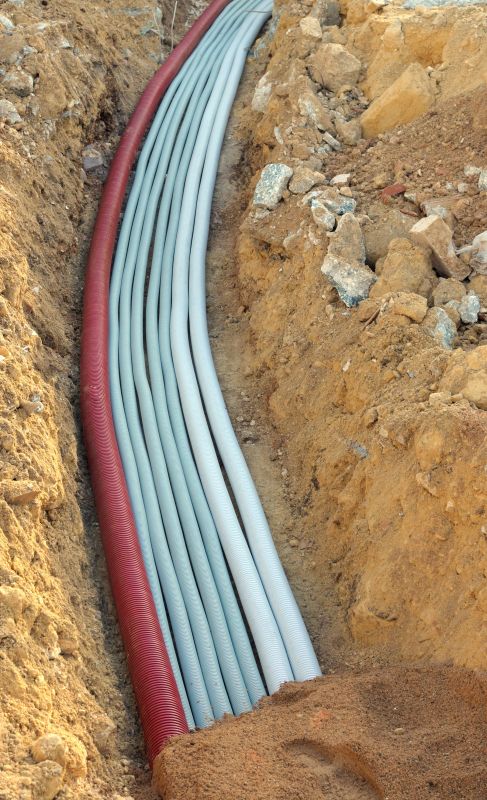
When comparing local contractors for conduit installation, it’s important to consider their experience with similar projects. A service provider with a proven track record in conduit work can offer insights into common challenges and effective solutions, helping to ensure the job is handled efficiently and correctly. Asking about their previous experience with projects comparable in scope and complexity can provide a clearer picture of their capabilities and whether they are well-equipped to meet specific needs.
Clear, written expectations are essential for a smooth working relationship. Reputable service providers should be able to provide detailed estimates and scope descriptions that outline what is included in the project. This transparency helps homeowners understand what to expect and ensures there are no surprises down the line. Good communication from the start-such as prompt responses and willingness to clarify details-also indicates a professional approach and a commitment to customer understanding.
Reputable references and strong communication are key indicators of reliability. When evaluating local contractors, it’s beneficial to ask for references from past clients with similar projects. This feedback can reveal the quality of their work and how they manage project timelines and client relationships. Additionally, a service provider who maintains open, clear communication throughout the process can help homeowners stay informed, address concerns promptly, and feel confident in the overall experience. It’s important to remember that this site introduces homeowners to local options for conduit installation, but the actual work is performed by the selected service providers.
Property owners use Conduit Installation services for practical projects around their homes and businesses. This guide focuses on everyday jobs and straightforward project options.
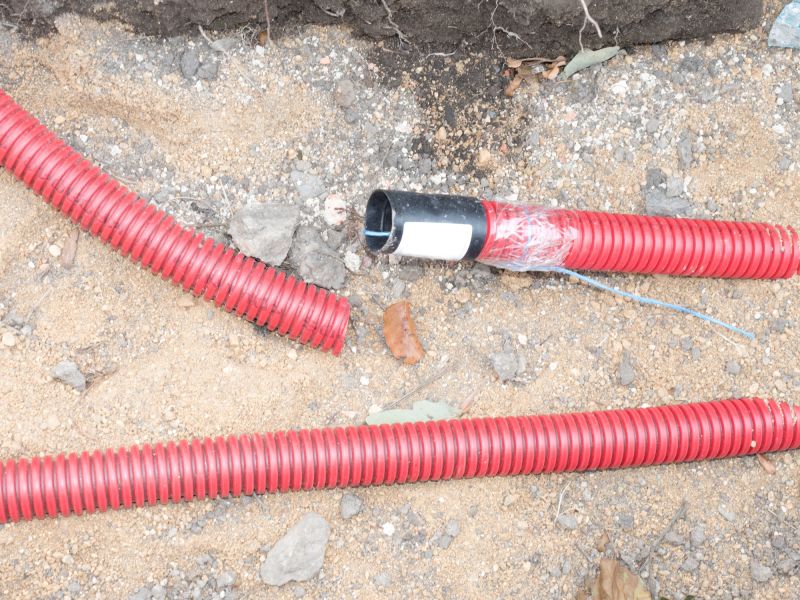
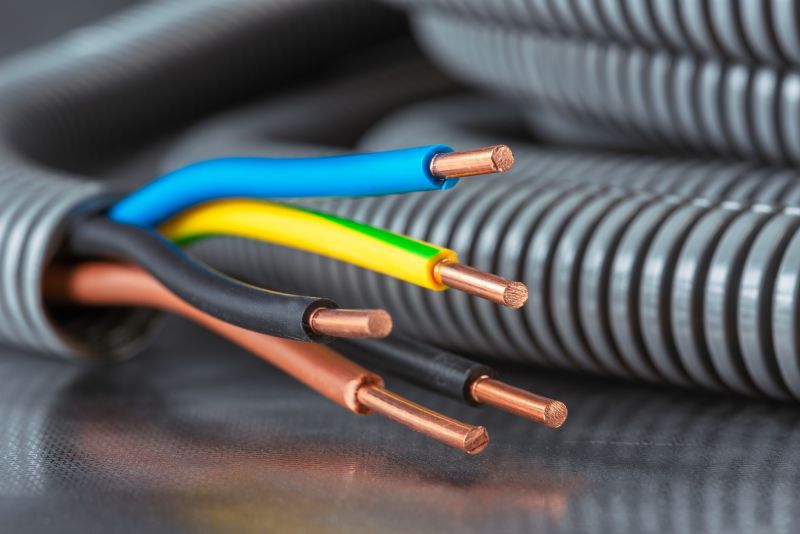
Conduit installation is a common project for property owners who are updating electrical systems, adding new outlets, or preparing for future upgrades. Local contractors are often called upon when homes or businesses require the safe and organized routing of electrical wiring through walls, ceilings, or underground areas. These projects can arise from renovations, new construction, or troubleshooting existing wiring issues, prompting property owners to seek experienced service providers to handle the work efficiently and correctly.
Many property owners turn to local service providers for conduit installation when they want to ensure their electrical systems are properly protected and compliant with safety standards. Whether installing conduit for outdoor lighting, garage wiring, or interior electrical upgrades, having a professional handle the job helps prevent potential hazards and ensures the wiring is secure and reliable. Connecting with local contractors can make the process smoother and provide peace of mind that the installation is completed to standard.
What is conduit installation? Conduit installation involves setting up protective tubing to house and organize electrical wiring in a building or outdoor space.
Why should I consider conduit installation? Installing conduit helps protect electrical wires from damage, improves safety, and makes future wiring modifications easier.
What types of conduit are used in installation services? Common types include PVC, metal, and flexible conduits, each suited for different environments and requirements.
How do local contractors handle conduit installation? They assess the project needs, select appropriate conduit types, and ensure proper routing and secure connections for safe electrical systems.
What should I look for in a conduit installation service provider? Look for experienced local contractors who can evaluate your space, recommend suitable conduit options, and perform quality installation work.
Conduit Installation for New Construction - Local contractors can install conduits during building projects to ensure electrical wiring is safely and efficiently routed from the start.
Upgrading Existing Electrical Systems - Property owners can have conduits added to modernize and protect older wiring setups in homes or commercial spaces.
Running Underground Conduits for Outdoor Areas - Service providers can help install underground conduits to safely run electrical lines for outdoor lighting, irrigation, or other outdoor electrical needs.
Adding Conduits for Future Electrical Upgrades - Installing conduits in strategic locations allows for easier future electrical upgrades or expansions without extensive remodeling.
If you are thinking about Conduit Installation for a property, this guide is meant to help you understand the work, the typical project types, and how different options might fit your plans.
When you are ready, you can use the quote form on this page to share a few details about your project. From there, local pros can review the basics and respond with options that match what you have in mind.